En oplevelsesdestination i Sønderjylland hvor historie, kultur & gastronomi mødes
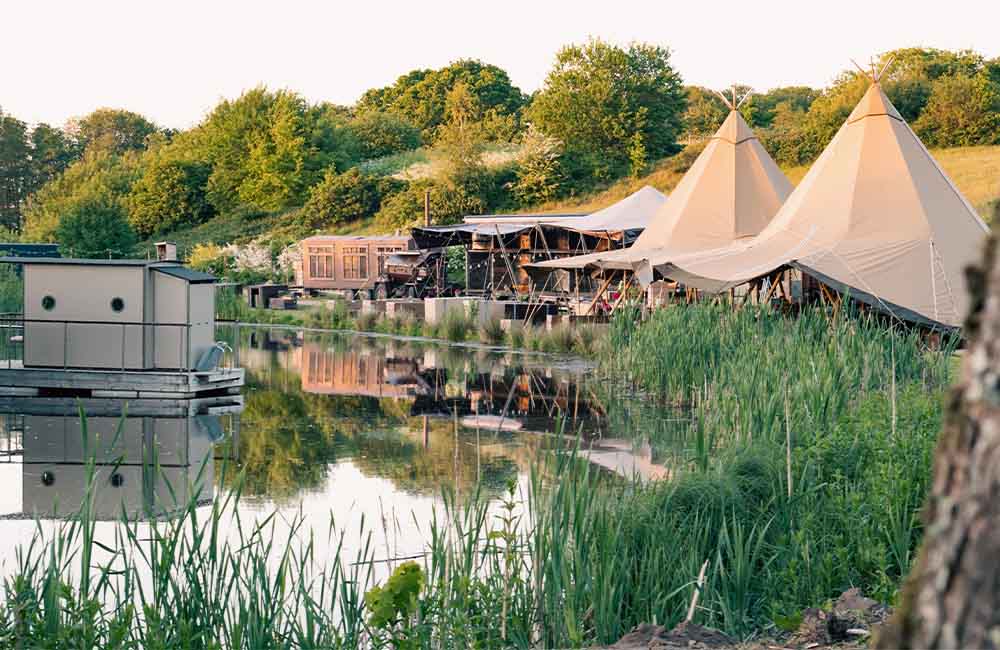
Krusmølle står som en idyllisk perle i hjertet af den frodige sønderjyske natur, hvor vi siden 1982 har budt velkommen til gæster, der søger en pause fra hverdagens travlhed. Dette historiske sted, omfavnet af rullende grønne landskaber, er ikke blot en destination, men en oplevelse, der knytter fortidens charme med nutidens forventninger til en uforglemmelig oplevelse
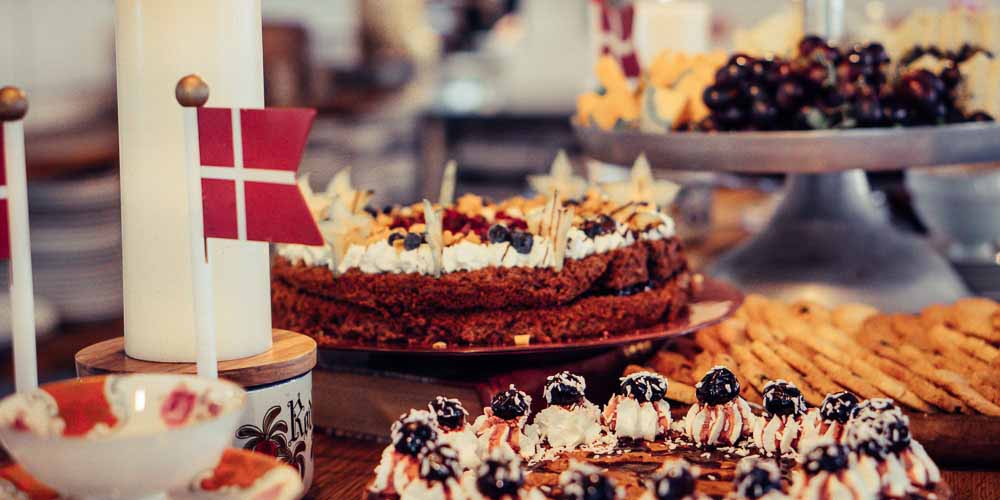
Vi tilbyder vores gæster en oplevelse, der er dybt forankret i lokale traditioner og den rige sønderjyske kulturarv. Her kan man nyde hjemmebag og specialiteter, der afspejler områdets gastronomiske rigdom, alt imens omgivelserne oser af nostalgi og autenticitet.
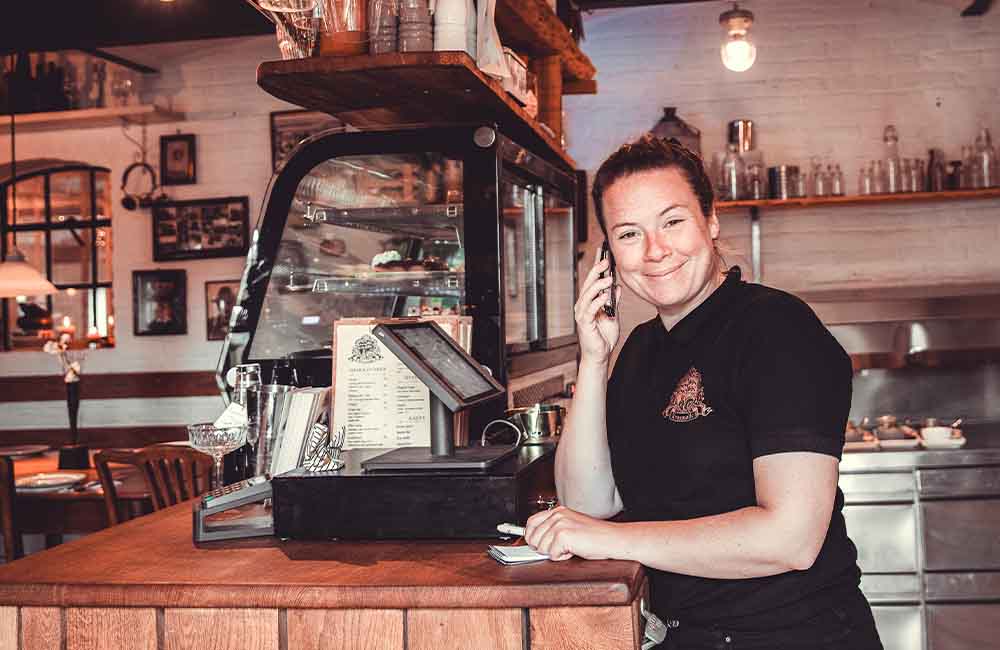
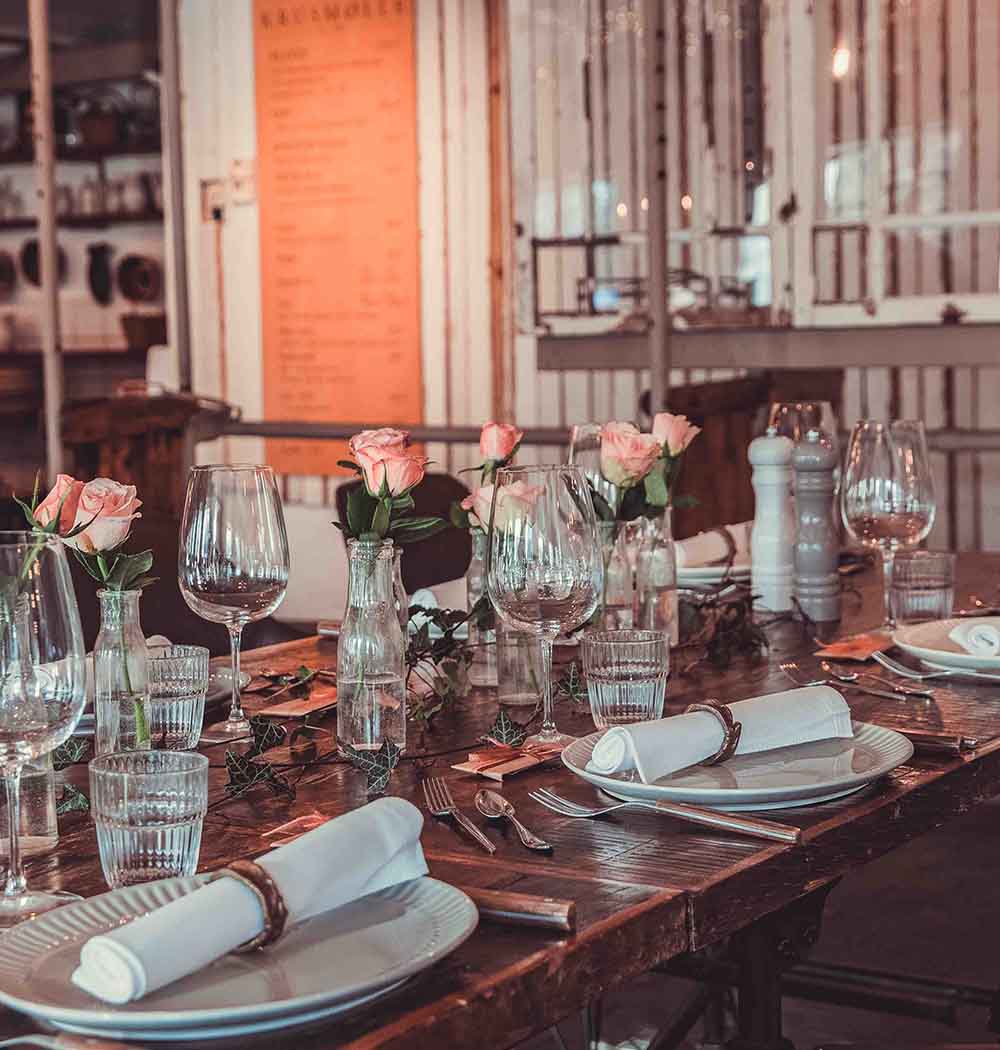
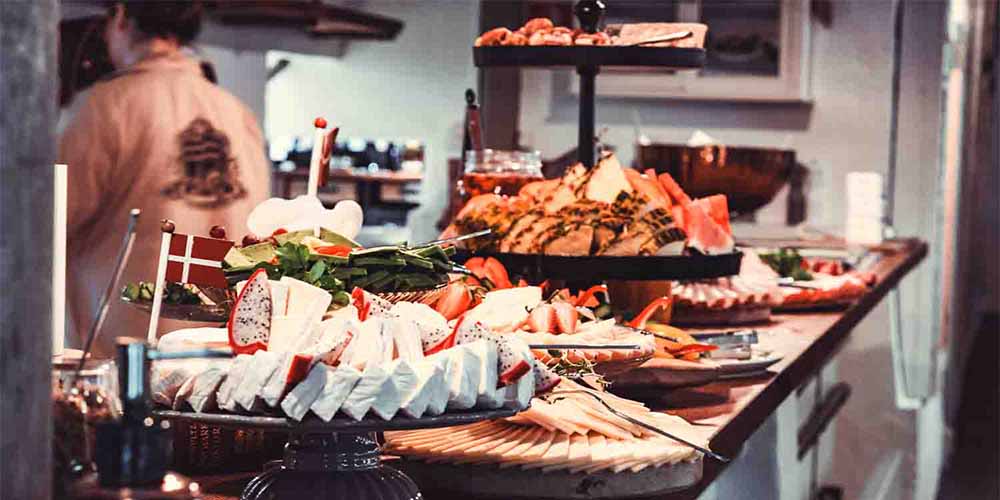
I Fru Loff’s Cafe kan du nyde en dejlig brunch eller frokost. Vores menu indeholder altid friskbagt brød, lokalt kød eller eget avl, danske oste, økologisk smør og hjemmelavet kage. Besøg os og smag på autentiske og kvalitetsrige ingredienser, der skaber en uforglemmelig kulinarisk oplevelse.
Drømmer du om det perfekte sted til din næste fest?
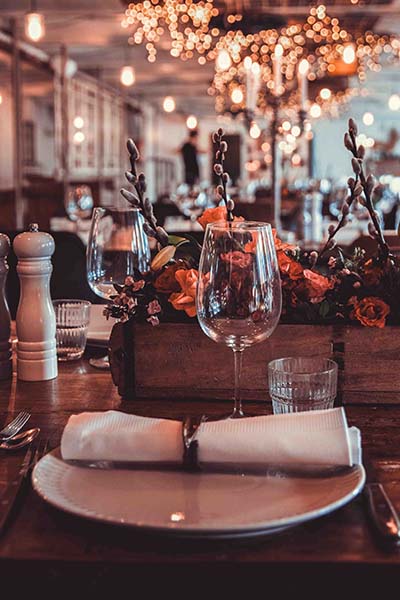
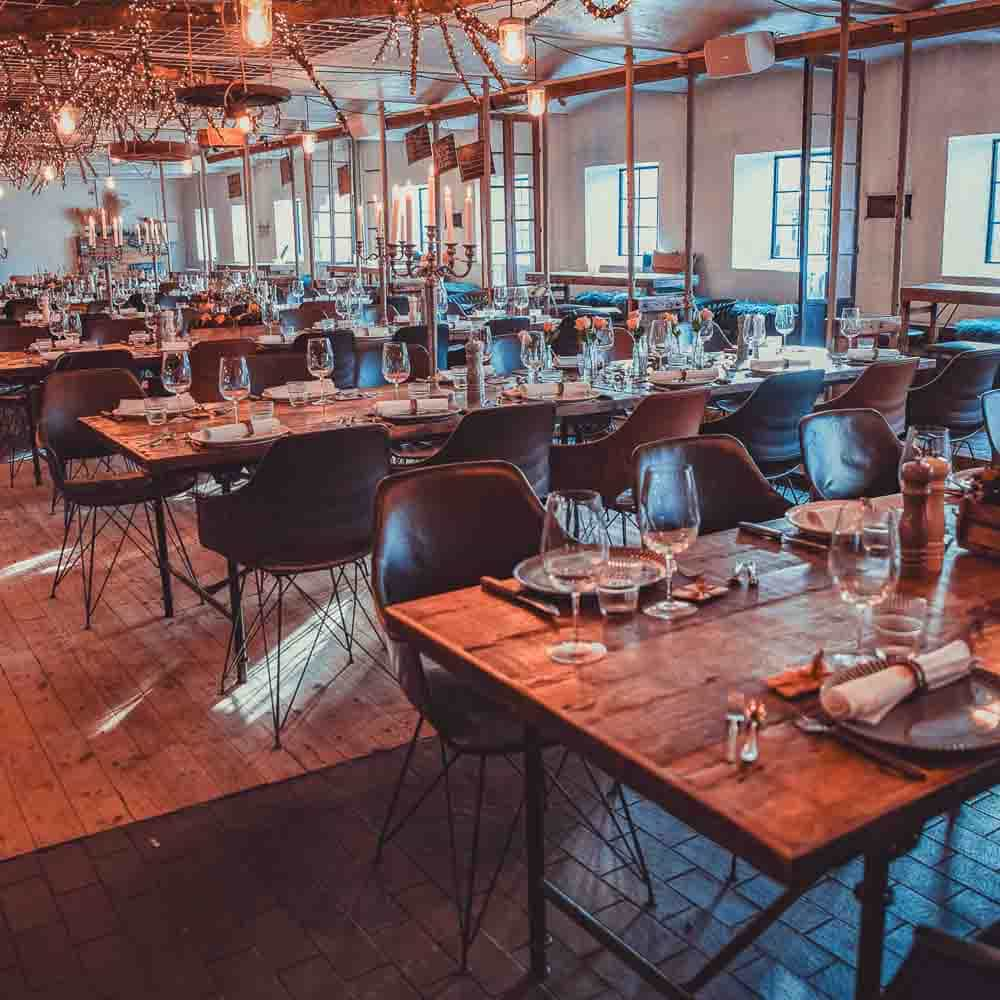
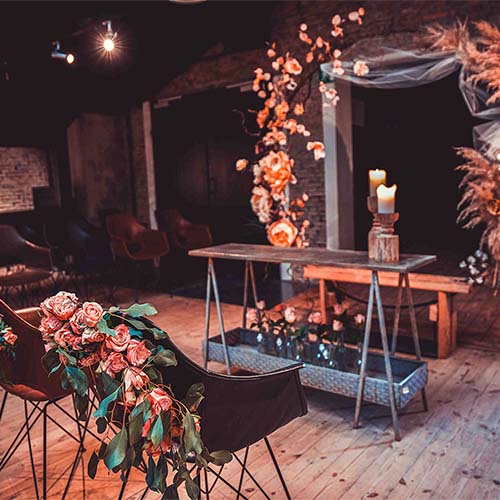
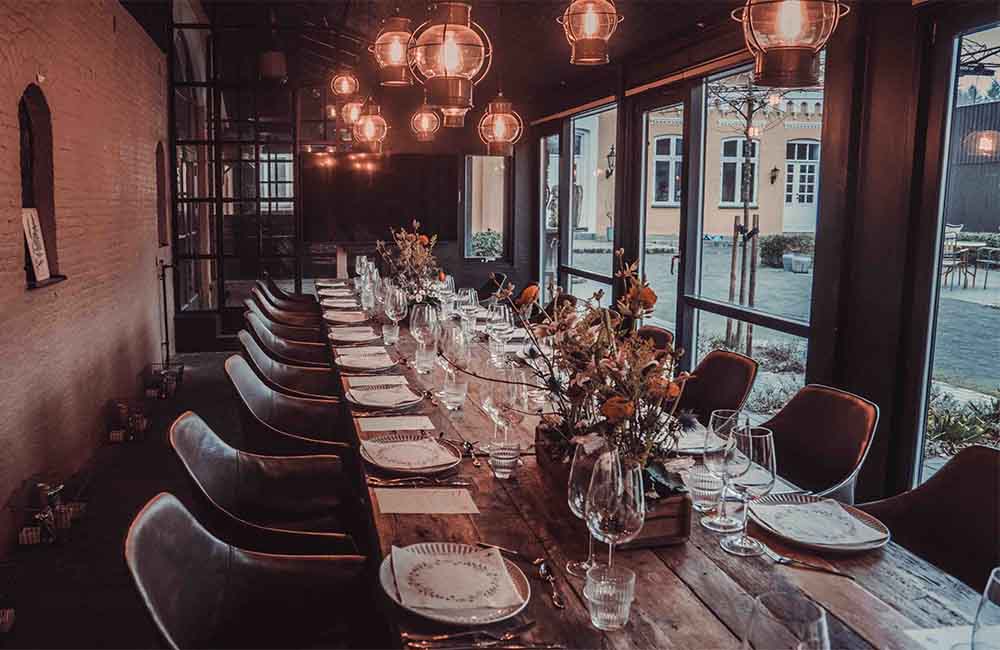
Vi tilbyder charmerende og hyggelige lokaler til dit næste selskab. Uanset om du planlægger det bryllup, du altid har drømt om, en fødselsdagsfest der skal huskes, eller ethvert andet særligt event, er vores lokaler den perfekte kulisse.
Vores unikke lokaler oser af atmosfære og charme, og danner den perfekte ramme for intime sammenkomster såvel som større festligheder.
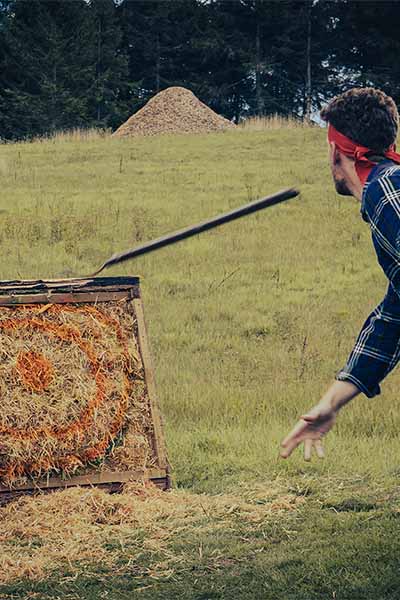
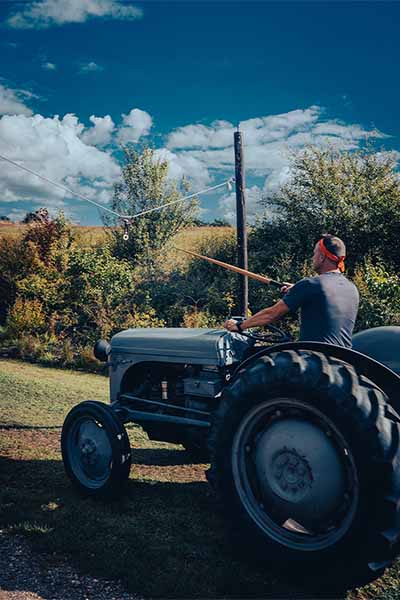
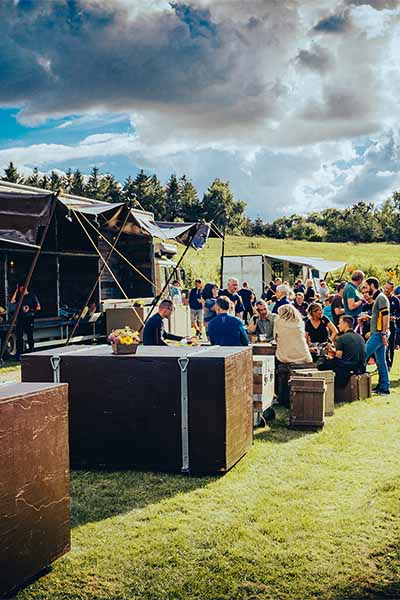
Krusmølle er hjemsted for en række unikke aktiviteter og oplevelser, der passer til alle interesser. Fra udendørs aktiviteter for 200 personer eller begivenheder som bryllup, fødselsdage eller konfirmation. er der altid noget nyt at udforske. Desuden tilbyder lokalområdet fremragende faciliteter for at nyde naturen og dyrene på Krusmølle.
Vores ekspertise ligger i skabelsen af unikke oplevelser. Vi tilbyder en komplet servicepakke, der inkluderer planlægning, udstyr, samt forplejning hele dagen. Vores erfaring med at arrangere firmaevents for store grupper sikrer en problemfri og mindeværdig begivenhed for alle involverede.
Vi tilbyder idylliske og stemningsfulde rammer til dit drømmebryllup. Forestil dig et bryllup, der overgår alle dine drømme – det kan blive virkelighed hos os. Vores betagende lokaler er den ideelle kulisse for din store dag, uanset om du forestiller dig en intim ceremoni eller en storslået fest.
Hvert hjørne af vores lokaler er indhyllet i en atmosfære af romantik og charme, og skaber den perfekte scene for kærlighedens fest. Lad Krusmølle være stedet, hvor jeres fælles liv begynder.